make sure it doesn't change too much.
The amount of chlorine in drinking water is regulated by the Environmental Protection Agency (EPA). The EPA requires that public water systems to maintain a treatment level of 0.2 milligrams per literresidual chlorine residual.
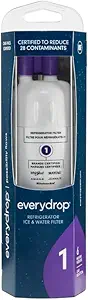
Image source: https://www.amazon.com/
The typical concentration between systems depends on the use and geography, but this standard is considered safe for all purposes.To increase the rate of losing tds in water purifier, remove small particles such as pebbles, debris and hair from around it before adding chlorine drops or powder. As a result, more drops
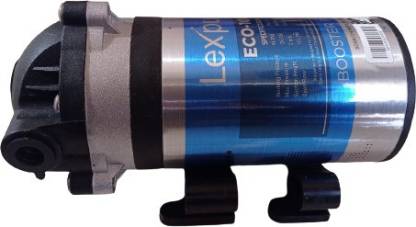
will escape into the stream as opposed to staying inside and clumping up in particles which may have otherwise blocked filters and damaged quality.

Image source: https://paytmmall.com/
To increase the rate of losing tds in water purifier, simply wipe the filter as you would a dusty window. Detergents and other cleaners may not work because they aren't a long-term cleaning agent, and they can damage more than necessary.
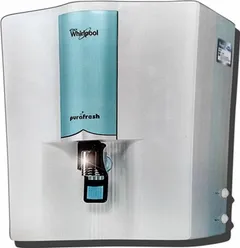
Image source: https://www.smartprix.com/
To increase the rate of losing tds in water purifier, avoid using an aluminum container when adding chlorine. Although it's better than plastic since it doesn't contain trace amounts dioxins, it has been proven that an aluminum container will alter chlorine's ability to kill bacteria in the water.
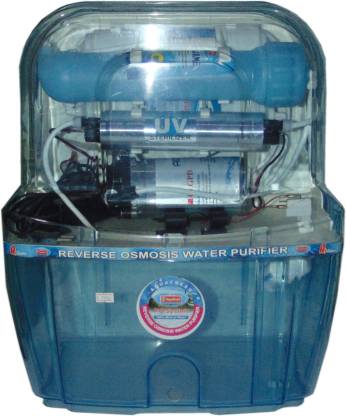
To increase the rate of losing tds in water purifier, addbleach in a small amount to the water coming out of a faucet. To do this, open one faucet and then open your faucet on the opposite side to create a "V" in which the water flows. Add one teaspoon into this "V."
Image source: https://www.reliancedigital.in/
To increase the rate of losing tds in water purifier, use bottled drinking water as opposed to tap or filtered. Not only does bottled have stricter standards than public utilities, but it is also regulated by law to be free of all bacteria and contaminants.

Image source: https://www.amazon.com/
To increase the rate of losing tds in water purifier, simply add more chlorine drops per liter of water that you produce.
Image source: https://www.flipkart.com/
The amount of chlorine you add to your water depends on the strength of your chlorine drop. The EPA requires that public drinking water systems maintain a treated concentration of at least 0.2 milligrams per liter residual (mg/L).

Image source: https://paytmmall.com/
For this reason, domestic systems usually carry out continuous chlorination and increase the concentration through small changes in dosage.[contemporaneous succession article]If you have many more people using tap water than going to wellwater, adding more chlorine helps maintain a safe level for everyone.
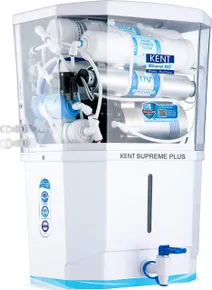
Image source: https://www.smartprix.com/
When tap water is used, adding more chlorine helps stabilize the pH and increase the disinfecting effect.

Image source: https://www.amazon.in/
If you have a well and use little chlorine in your system, you may want to add more chlorine if you know that your water has received a large inflow of surface water.[original research?]
Image source: https://www.reliancedigital.in/
Small changes in dosage do not usually require readjustment of pH or other chemicals. A solution containing 0.2 mg chlorines / l at pH 7.0 is equivalent to one containing 2 mg chlorines / l at ph 4.0 or 20 mg chlorines / l at ph 10.0.

Image source: https://www.amazon.com/
If your water has a high level of iron, try adding more chlorine. If both iron and chlorine are present in too high amounts, the water can become brown or yellow and smell like rotten eggs. Some people may experience skin rashes after drinking this kind of water for a long period of time.
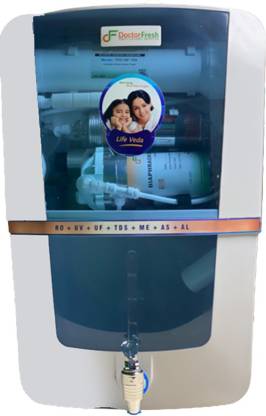
Image source: https://www.flipkart.com/
If you choose to make the change gradually, you can do so by adding a small amount of hydrogen peroxide to the well water before adding chlorine drops or powder. Then add half of what you normally add and watch the color of your water to

Image source: https://rtings.in/

Komentar
Posting Komentar